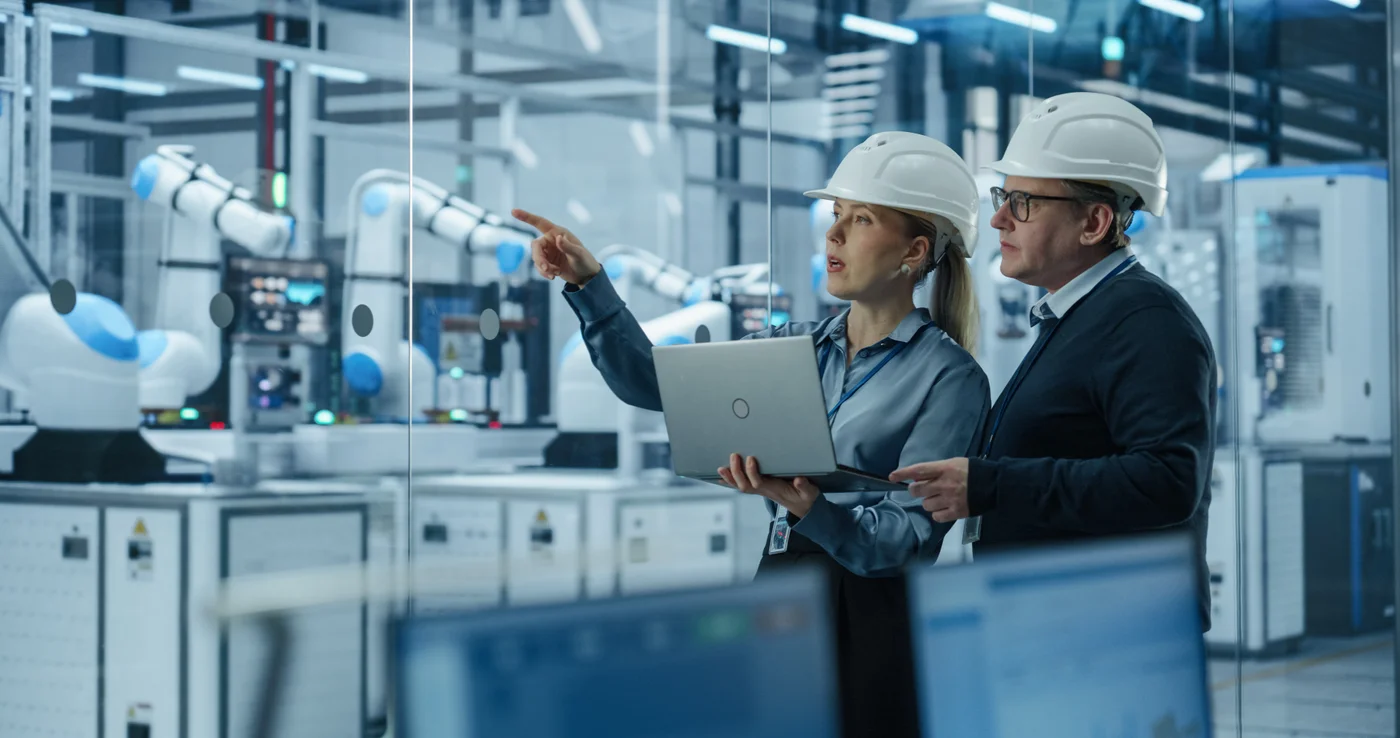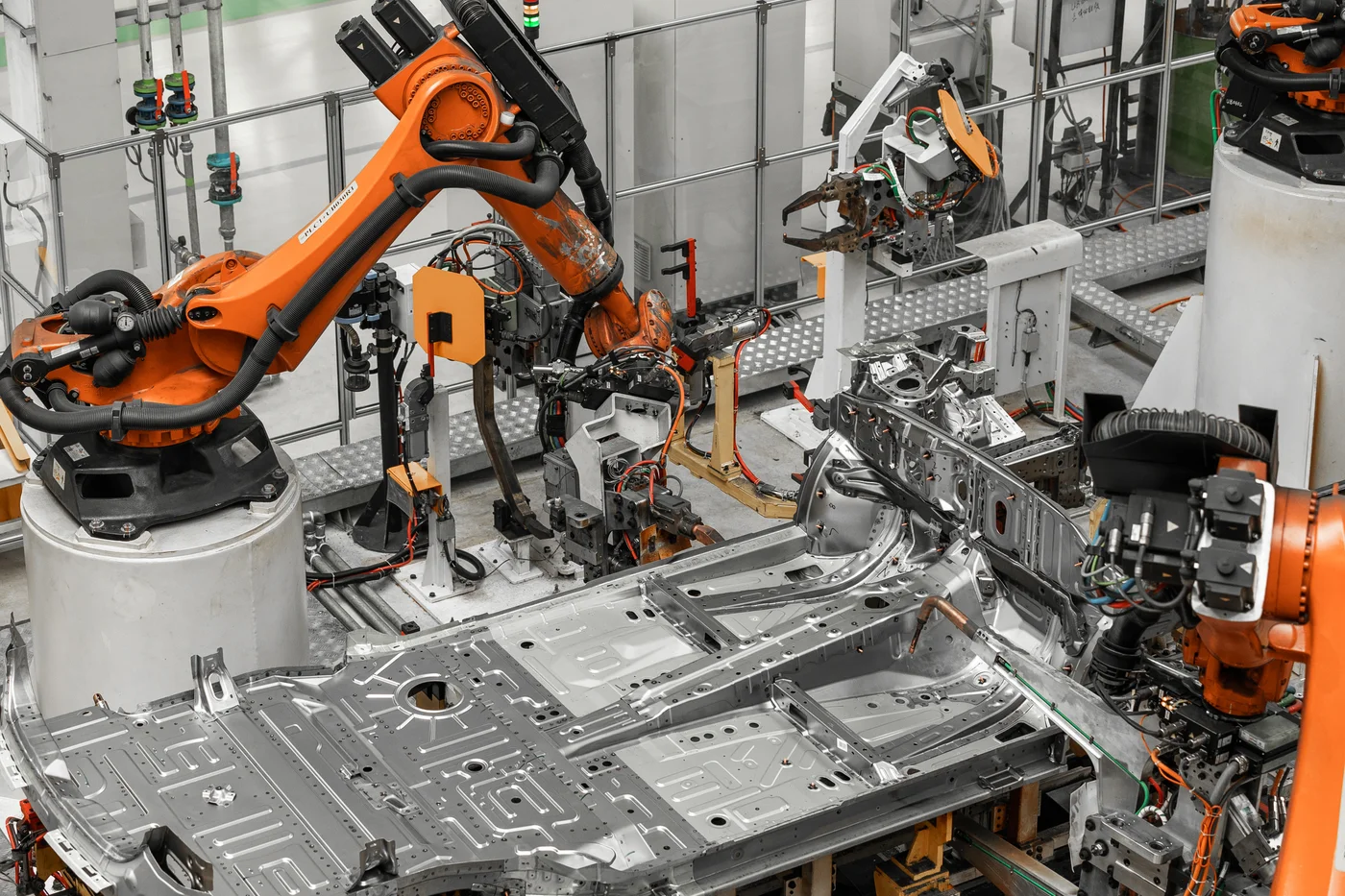
We design and implement architectures that control how industrial systems interact with one another.

We work where control, energy, software, and physical process dynamics meet — where a seemingly local decision can amplify effects across the entire operational ecosystem.

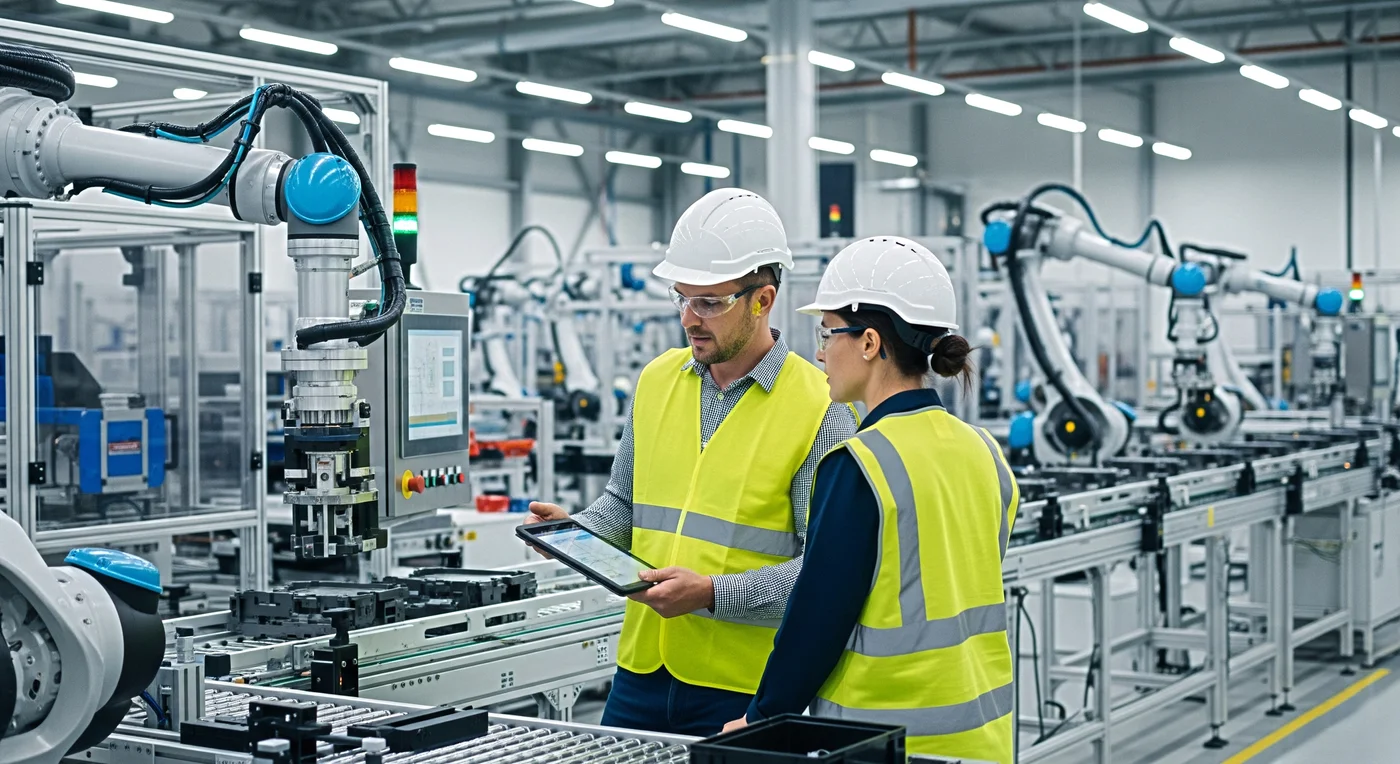
Our teams work with infrastructure that is already in operation — with complex interdependencies and layers of logic built up over time. This is where uptime is critical, energy is variable and costly, processes have evolved through inertia, physical constraints are real, equipment has a history, and integration happens incrementally. This is precisely where every technical decision has a direct economic impact.

01

Behavior is a result of structure

If a system is unstable, the cause is structural — not accidental.

02

Stability is a primary design objective

Performance is secondary when it compromises robustness.

03

A system that depends on people to remain stable is incompletely designed

Operator memory is not a system architecture

04

Operating under ideal conditions does not validate the design

Real validation begins under variation.

05

Instability propagates

In a complex system, no disturbance remains local.

Internal certification: “Mastering Simplicity”

For us, simplicity is not a stylistic preference — it is a proven engineering skill. Our engineers are internally assessed on their ability to reduce complexity without losing control, identify unnecessary structures, and design systems that remain stable under variation.

Internal engineering challenges

We assess our engineers’ technical capabilities not only through real projects, but also through deliberately controlled scenarios involving extreme variation, accelerated degradation, and emergent behavior. The goal is not simply to find a better solution, but to continuously challenge and improve the quality of our engineering thinking.

Live dashboards from real systems

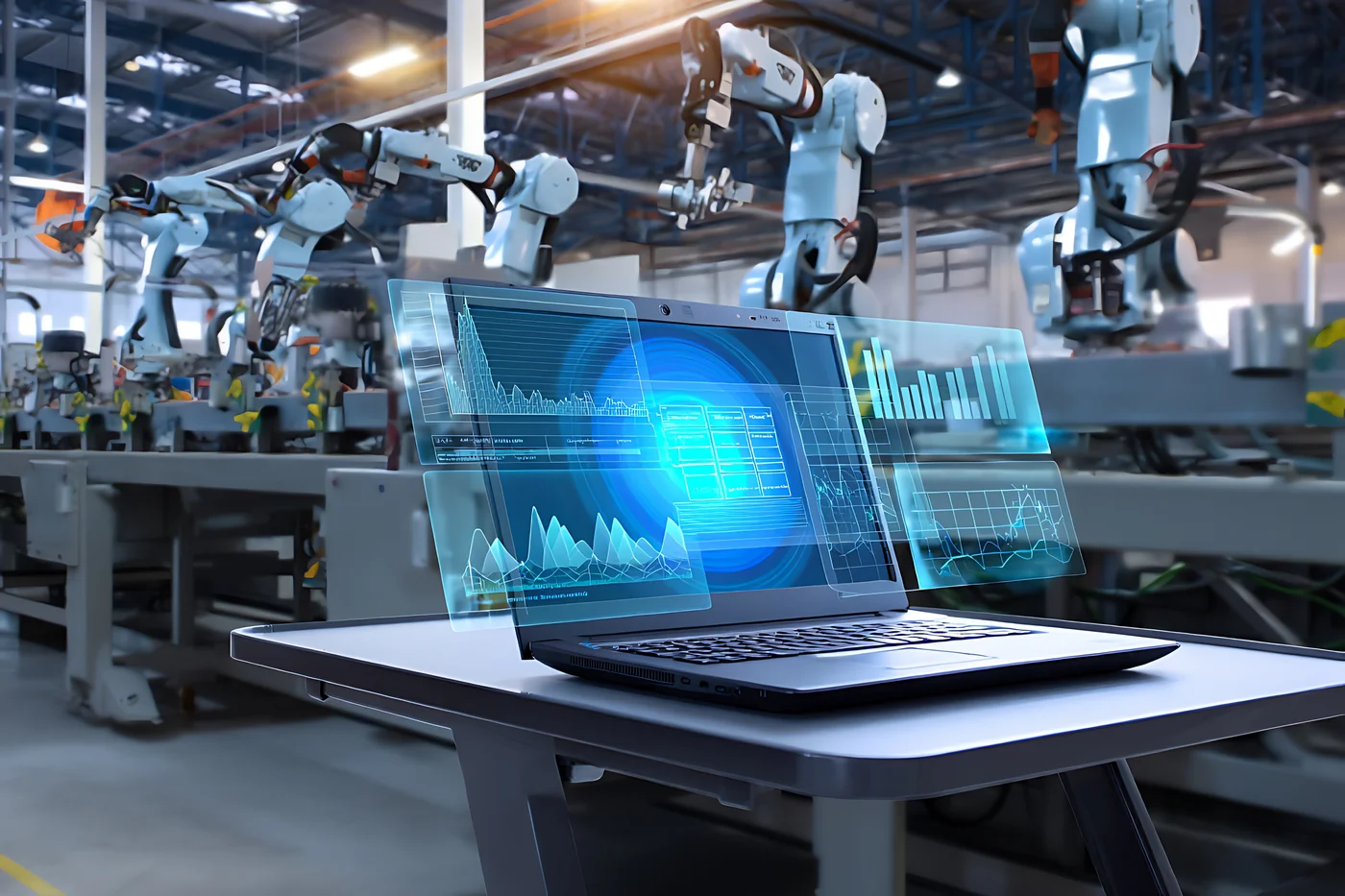
We don't make decisions based on dashboards alone. We look at real production variability, operational interventions, behavioral degradation, and stability over time — while combining this data with a deep understanding of the systems and the interactions within them.

Digital engineering kit

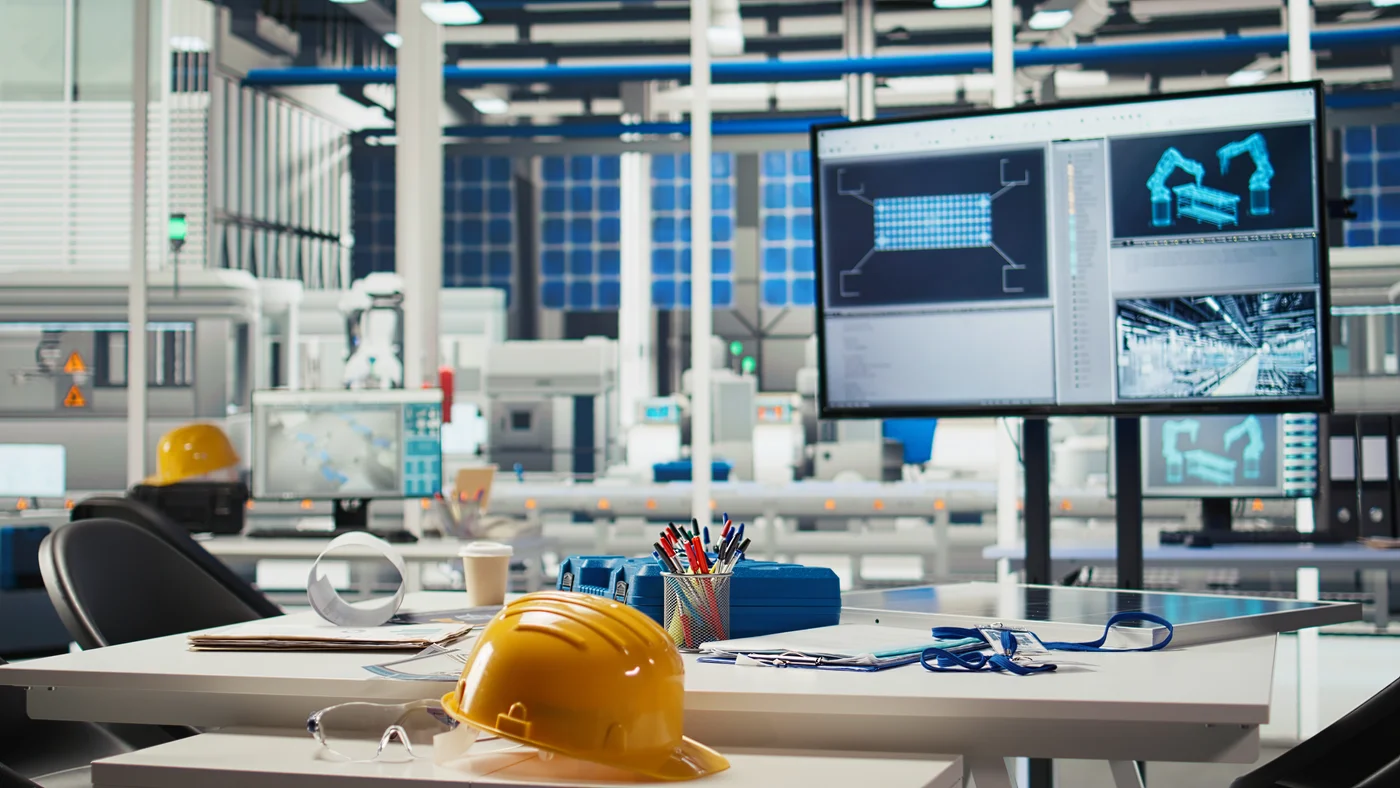
We start every project with a common set of engineering tools: an Entropy Scan template, failure-mode analysis scripts, operator UX patterns, and diagnostic frameworks. This changes the traditional way industrial systems are designed — by building stability into the engineering process from the start.

Intervention-based KPIs

We measure performance not only at project delivery, but also by tracking the reduction of manual interventions, elimination of workarounds, long-term stability, and reduced dependence on operators.

Standardized architecture library

We use an internal library of validated architectures, control patterns, stable operational flows, and standardized interfaces between systems. This means we don't rebuild the same solutions from scratch.

SLA for variation, not just uptime

We guarantee not only that the system will operate, but that its behavior is designed to remain stable under variation — including input fluctuations, progressive degradation, operational disturbances, and other real-world conditions.

A practical framework for industrial change

Our process is standardized and measurable from initial request through implementation: clear stages, validation before execution, controlled ramp-up, and deterministic changeover times.

Entropy Index — internal and commercial standard

Every system is evaluated using a structural and stability score. We don't measure only what works. We measure how much latent instability is built into the design.