Process Control Stations
We design stations for process validation, verification,
and stabilization, ensuring consistent performance and detecting
deviations before they affect production.
We design custom stations and special-purpose machines from the process architecture — not from isolated operations.
We eliminate variation through dedicated mechanical design, integrate each station into a coherent system architecture, and apply parametric control to the mechanisms that drive process instability.
The result is not simply automation.
It is repeatable stability:
We design and deliver production systems that do not depend on continuous adjustment or reactive intervention. Each solution is engineered to embed stability directly into the process architecture, ensuring repeatability, operational consistency, and controlled variation from the design stage onward.
We design stations for process validation, verification,
and stabilization, ensuring consistent performance and detecting
deviations before they affect production.

We design dedicated machines for specific
processes (assembly, pressing, joining, testing),
where precision and repeatability are critical.
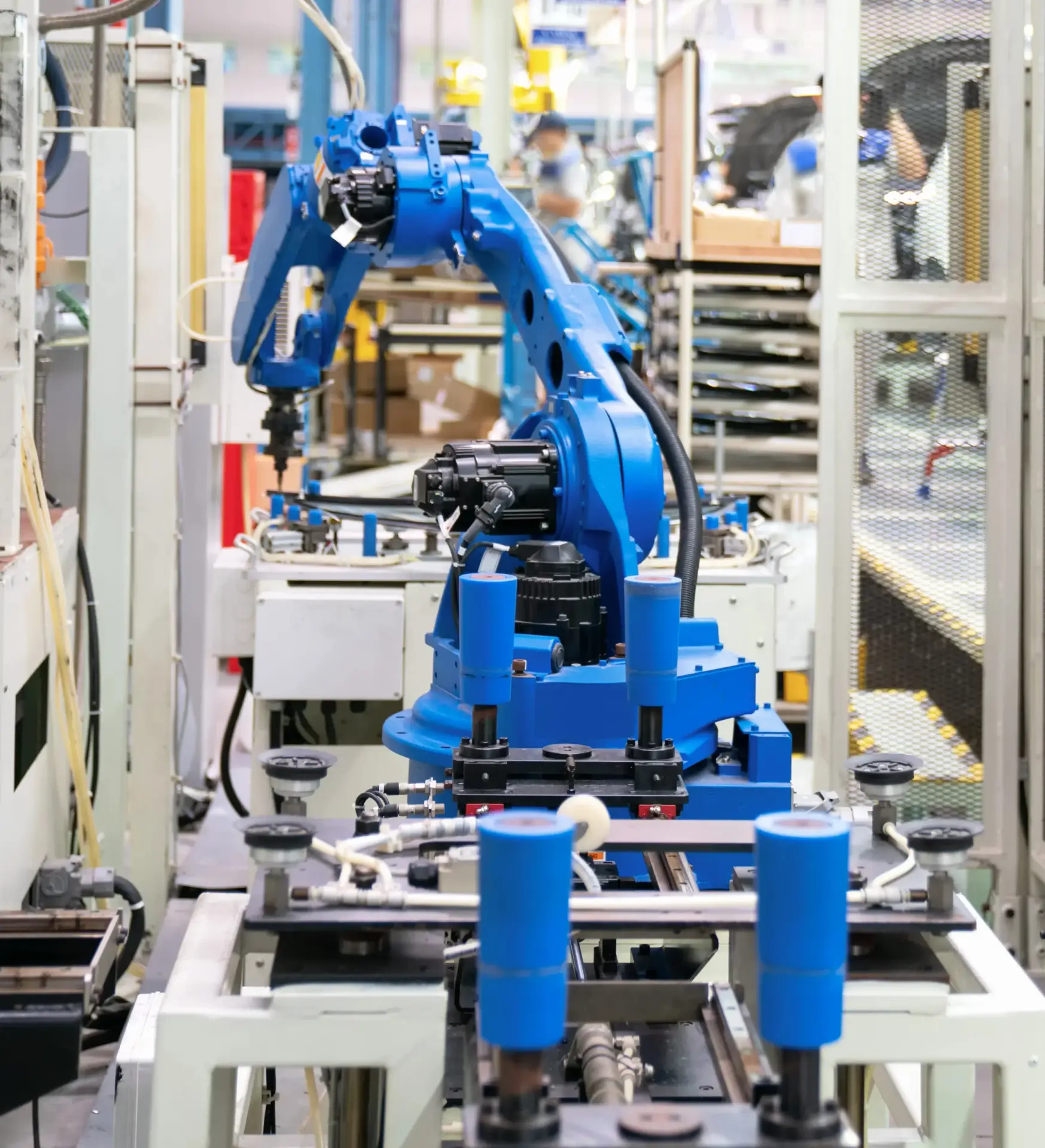
We build integrated cells combining robotics
and material-handling systems to automate complex
operations and reduce dependence on manual intervention.
We deliver complete production lines engineered
as unified systems, where flow, process, and control
are integrated into a coherent architecture.
In many industrial processes, instability becomes visible through the interaction between mechanical design, operator intervention, and real production conditions. We address these issues through structural control of variation, reducing dependence on manual adjustments and reactive intervention.
Structural control where variation is not acceptable
In critical production processes, even minor deviations can result in significant losses in quality and performance. We design systems that embed stability directly into the process architecture, ensuring predictable system behavior and consistent control despite operational variation.
Consistent performance across every production cycle
Repeatability is the result of a well-controlled process, not subsequent correction. Our solutions are engineered to maintain consistent process conditions across every cycle, resulting in consistent output, improved process capability, and long-term production stability.
From reactive control to engineered control
Processes that depend on constant adjustment are an indication that variation is not being structurally controlled. Through engineering by design, we eliminate the need for frequent intervention. The result: reduced operator dependence and more consistent production performance.
Eliminating sources of process instability
Operational variation emerges from the interaction between equipment, operators, and process conditions. Our solutions are engineered to reduce these sources of uncertainty through integrated mechanical, logical, and functional control. The result: more stable processes that are easier to validate.
We identify the mechanisms that generate variation and engineer process architectures that are predictable by design. Each solution is designed to eliminate dependence on empirical fine-tuning and deliver repeatable performance under real production conditions.
We validate and stabilize the process
We ensure verification and control of critical process parameters before variation can affect the production flow:
- In-process dimensional verification
- Pressure / force / torque control
- Poka-yoke validation stations
We execute critical processes
We build dedicated machines for specific operations where precision and repeatability are essential:
- Press-fit and component insertion
- Controlled torque & fastening
- Bonding, crimping, and critical assembly processes
We connect the entire flow
We design complete production systems in which process, flow, and control are unified:
- End-to-end assembly lines
- Lines with integrated testing
- Multi-station production systems
We eliminate manual intervention
We integrate robotics and automated handling to reduce operational variability:
- Robotic Pick & Place cells
- Automated loading/unloading cells
- Semi-automated assembly cells
We maintain physical product flow through the process
We design and integrate transport and transfer systems that maintain continuous production flow and reduce operational bottlenecks:
- Conveyor systems
- Pallet transfer systems
- Indexing systems
- Part feeding systems
We verify process performance and product compliance
We provide systems for product testing and validation before release from the production process, ensuring conformity and quality:
- Functional test benches
- Electrical test systems
- End-of-Line (EOL) validation
We develop production systems tailored to the specific requirements of each industry, where process variation must be controlled structurally rather than corrected downstream. We adapt the architecture of each solution to the product complexity, tolerance requirements, and required level of automation.
Systems for assembly, testing, and critical component verification, where repeatability and traceability are essential.
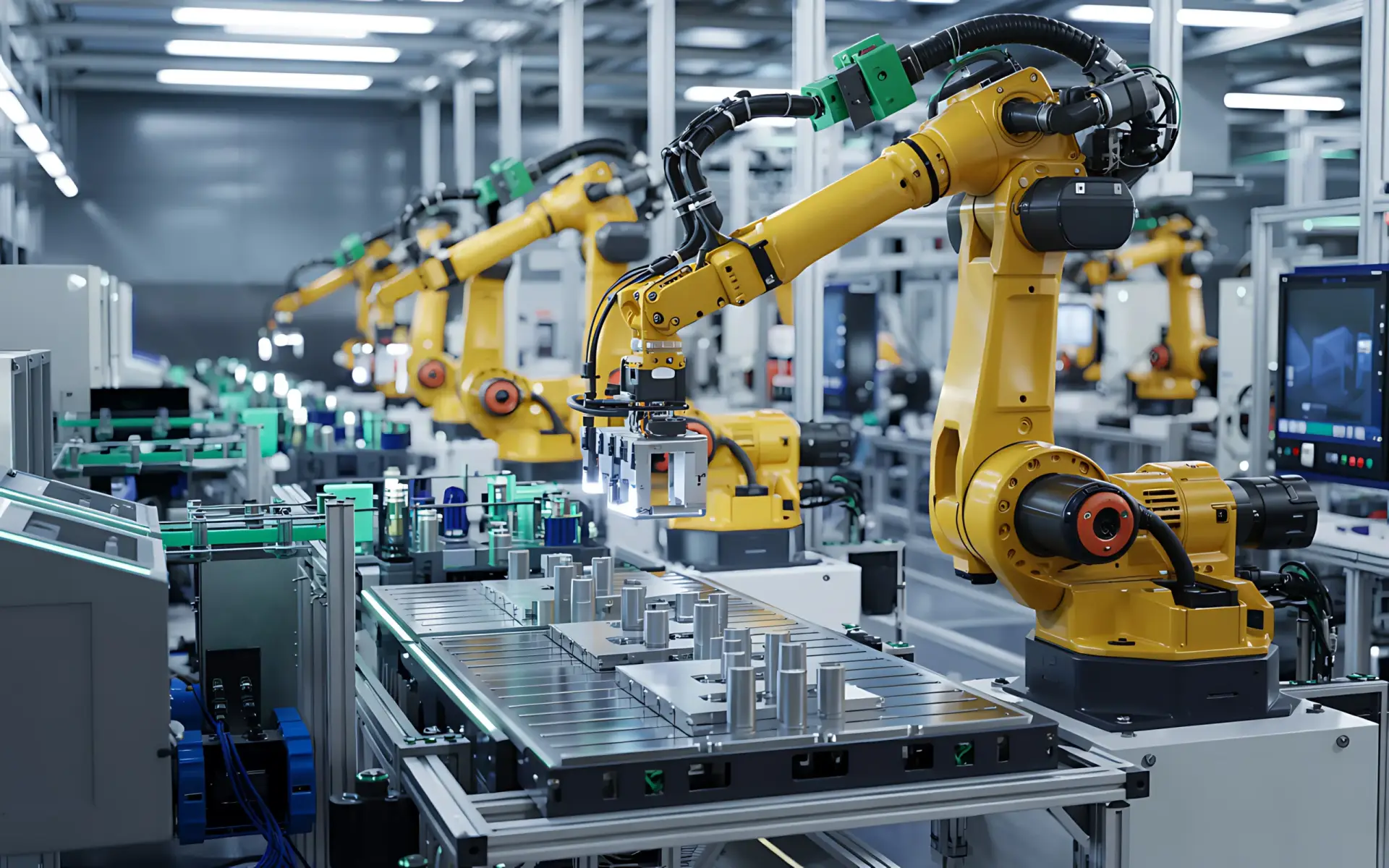
Equipment for general manufacturing processes, where operational stability and reduced variation directly influence efficiency.
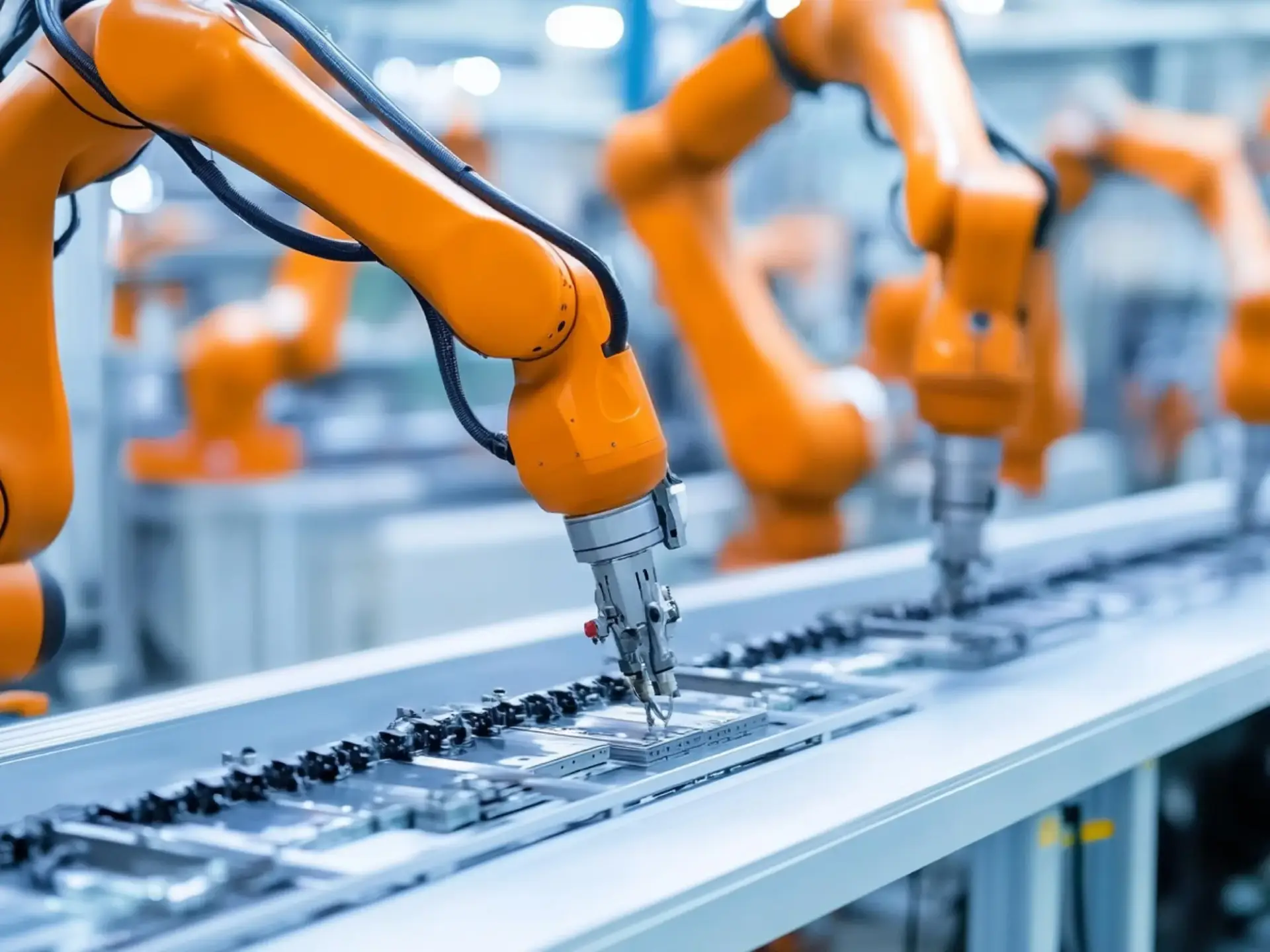
Solutions for the assembly and testing of electrical and electronic components, with high requirements for precision and functional validation.
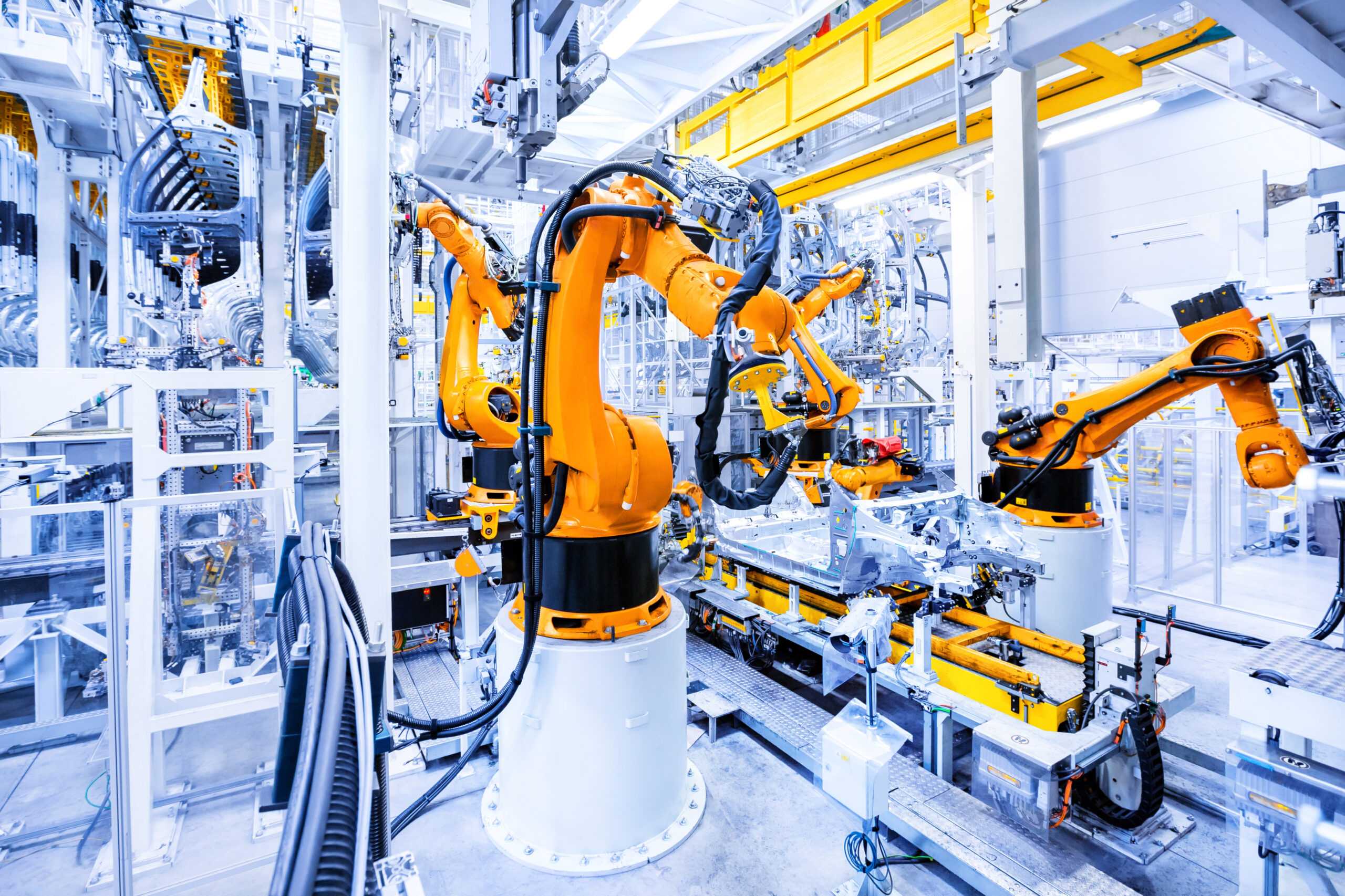
Custom solutions for complex industrial processes that do not fit standard categories but require a high level of process control.
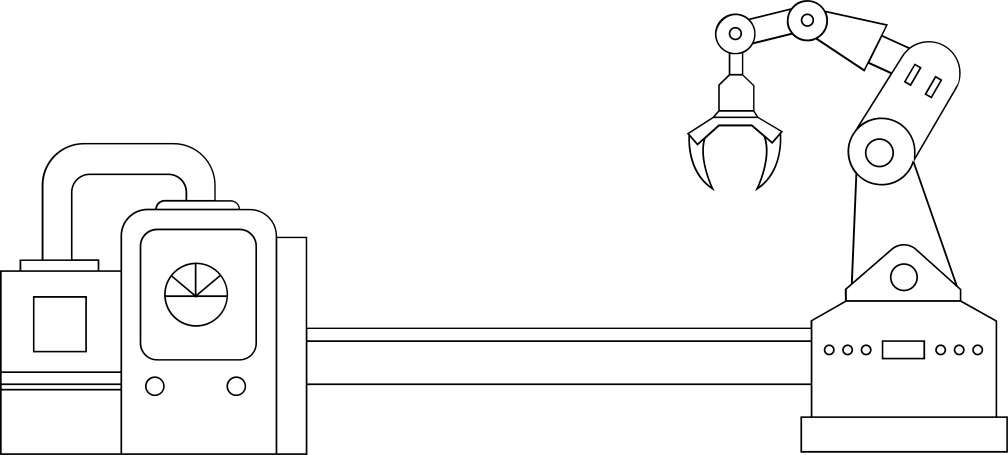
We understand the actual behavior of the production process, identifying the sources of variation and critical control points.
We design the equipment’s mechanical and functional architecture so that stability is embedded in the design rather than corrected downstream.
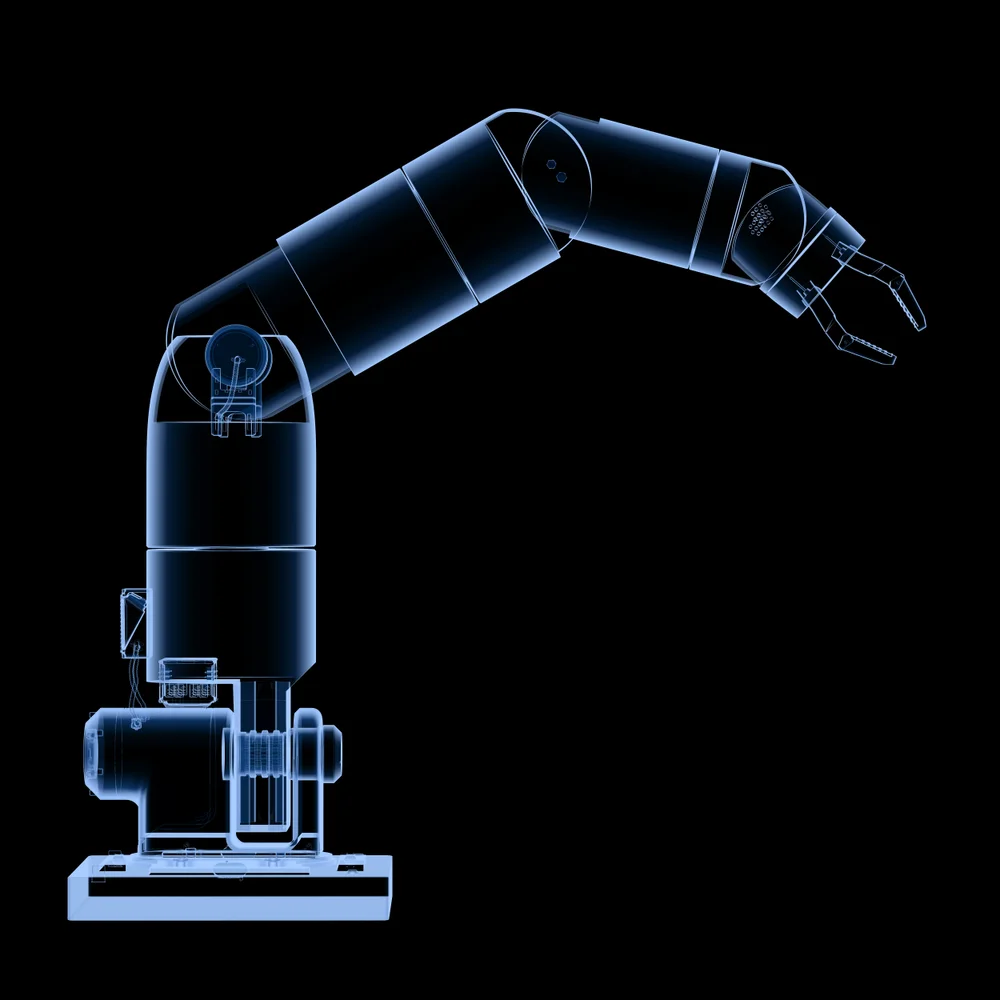
We develop the complete solution — mechanical, electrical, and software — as a unified system optimized for process control.
We verify system performance under real operating conditions to ensure repeatability and technical compliance.
Our projects
Talk to an engineer