Mechanical integration
Process-specific fixturing, guidance, and controlled constraint










We design, manufacture, and implement robotic systems that maintain stable performance under increasing production volumes, batch changes, and OEM audits.
We integrate motion, critical process parameters, and mechanical constraints into a controlled, validated, and scalable system architecture.
Repeatable motion ≠ controlled process


We build systems in which the robot, the process, and the industrial constraints operate as one integrated mechanism.
Solutions validated for repeatability, scalability, and sustained operational stability.

At low production volumes, variation may appear manageable. During ramp-up, it accumulates. A compliant fixture, multiple reference datums, or uncontrolled degrees of freedom can introduce deviations that remain undetected during initial validation. The robot repeats its position, but the part does not repeat its position.

Critical parameters are defined, but not correlated with the actual dynamics of motion. Force is specified nominally, while timing is programmed as a static value. Energy input is set independently of dimensional variation. During ramp-up, this decoupling produces recurring deviations that are difficult to anticipate.

A process can remain within tolerance and still be unstable. Without in-cycle monitoring of critical process parameters, variation remains invisible in real time. Defects occur intermittently rather than consistently, making them difficult to diagnose. Increased production volume amplifies the phenomenon.
FAT validates functionality under a controlled scenario. Production tests robustness under real operating conditions. Many systems are optimized for demonstration and point-in-time validation rather than continuous three-shift operation, progressive wear, and real material variation.
Process-specific fixturing, guidance, and controlled constraint
Force, position, timing, and energy input

and parametric monitoring
Audit and cause-and-effect analysis
(MES, Quality, and Flow)

Processes with tight tolerances and stringent OEM requirements; High production volumes, accelerated ramp-up, and frequent variant changes; Operations sensitive to force, position, and energy (assembly, welding, adhesives); Parametric process control and traceability for audit readiness and compliance;
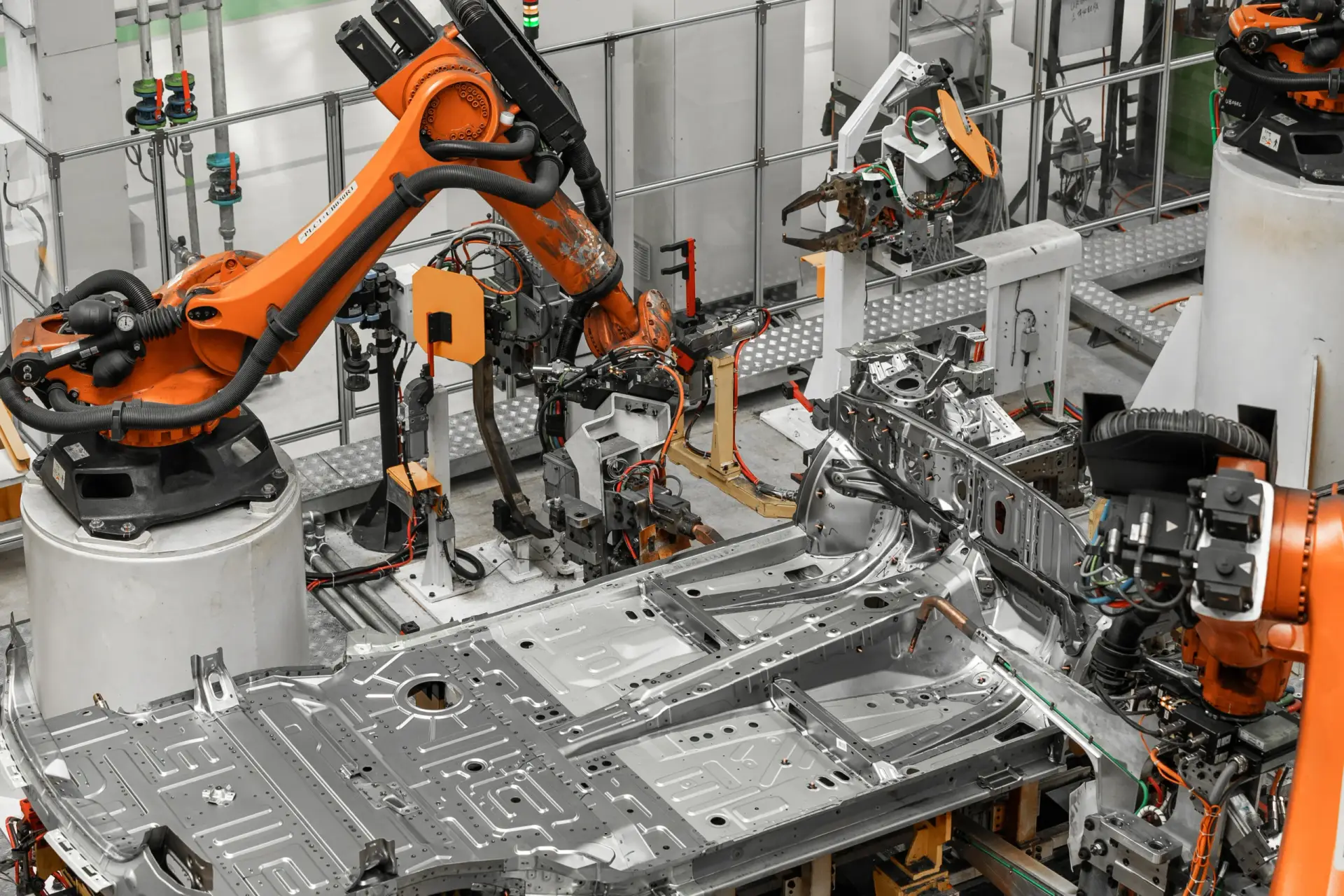
Insertion, pressing, and connector processes sensitive to dimensional variation; Assemblies with tolerance stack-up and risk of latent defects; Force–displacement control for guaranteed functionality; Process stability across batch changes and design modifications;
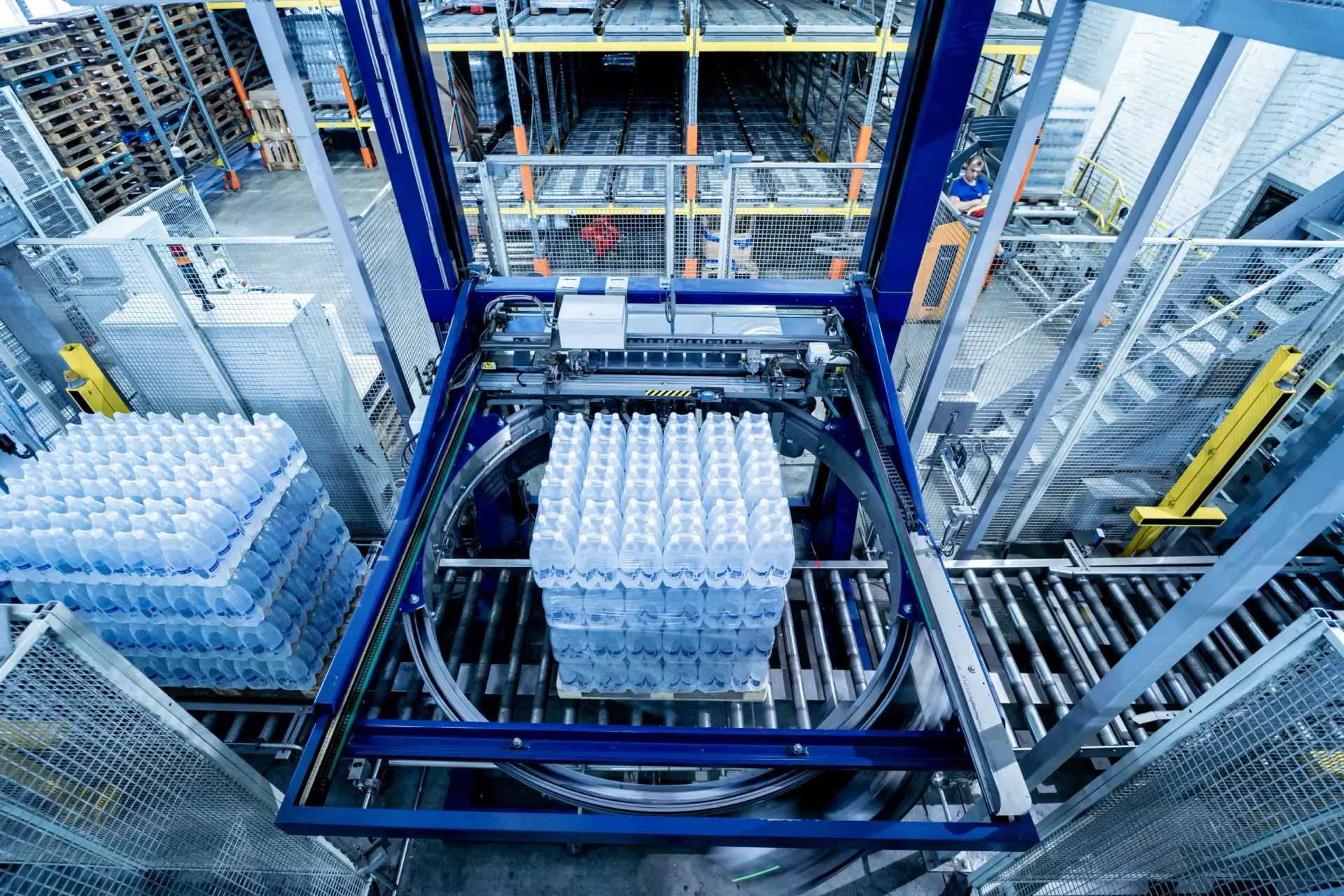
High volumes and pressure on cost and cycle time; Material variability (plastics, elastomers, subassemblies); Bonding, welding, and assembly processes with high aesthetic requirements; Reduction of scrap and operator interventions;

Multi-variant handling and fast SKU changeover; Pick & place with speed and repeatability requirements; Integration into existing flows and WMS/MES systems; Operational stability under volume variation and seasonality;

We identify the actual sources of variation: tolerance stack-up, batch changes, component wear, and shift-to-shift differences. Design starts from probable deviations and real operating conditions — not ideal conditions.

We correlate trajectory, dynamics, and sequencing with critical process parameters such as force, time, energy, and position. Motion is not programmed in isolation; it is engineered as part of the overall process behavior.
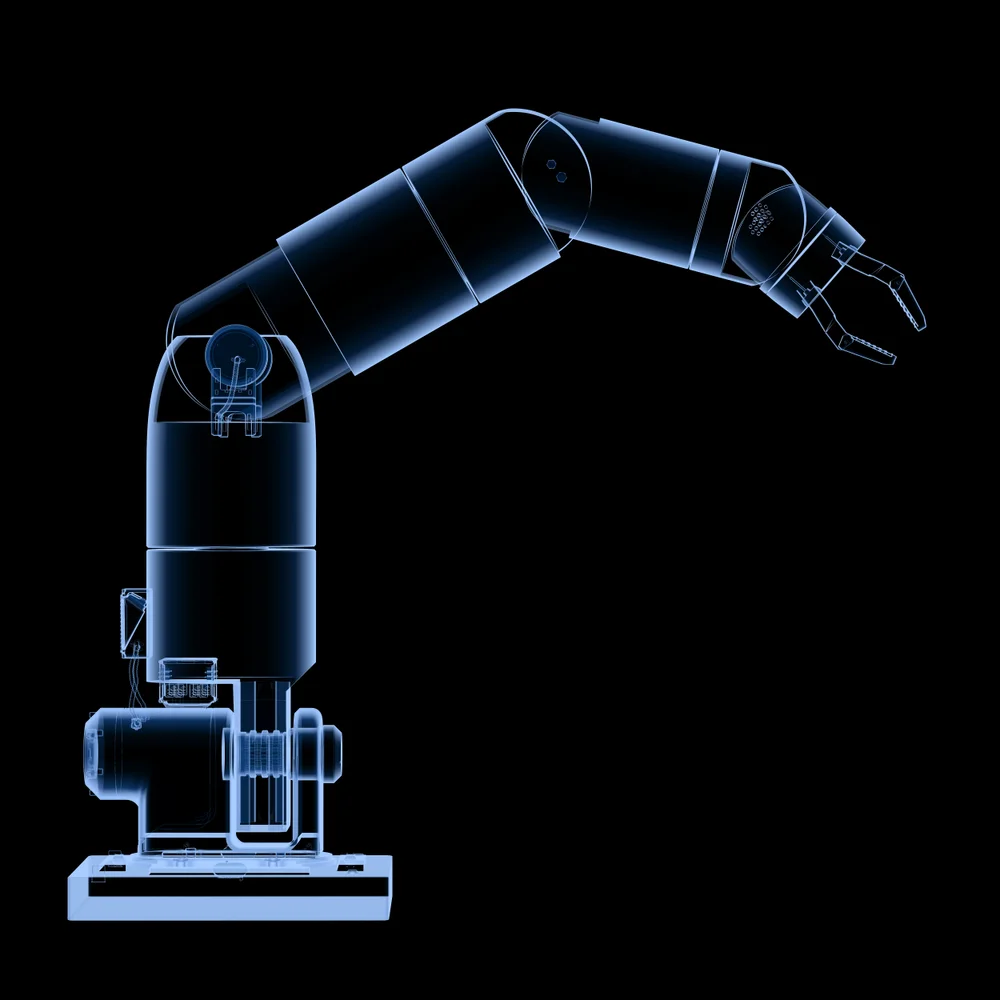
We design fixturing and part referencing to eliminate uncontrolled degrees of freedom. Part position becomes predictable rather than probabilistic.
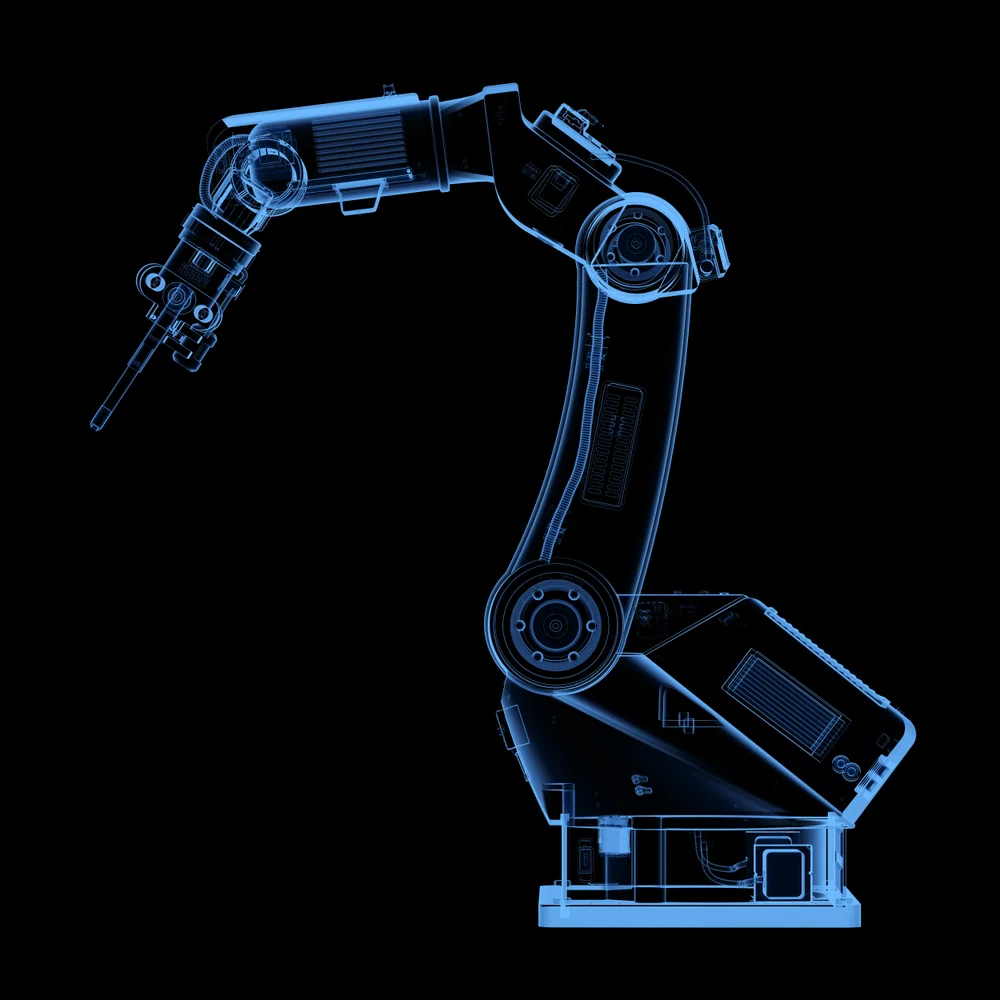
We monitor and correlate critical parameters on every cycle. Process control is demonstrable and measurable — not assumed.
 Our projects
 Talk to an RCE engineer