Top












 Our approach
We engineer industrial system behavior across the entire system lifecycle
We design and integrate industrial architectures for complex production environments where performance depends on control of the system as a whole — not optimization of individual components. We integrate flow, automation, control, and validation into a coherent architecture that:
- stabilizes production
- reduces variation
- Creates predictable system behavior under real production conditions

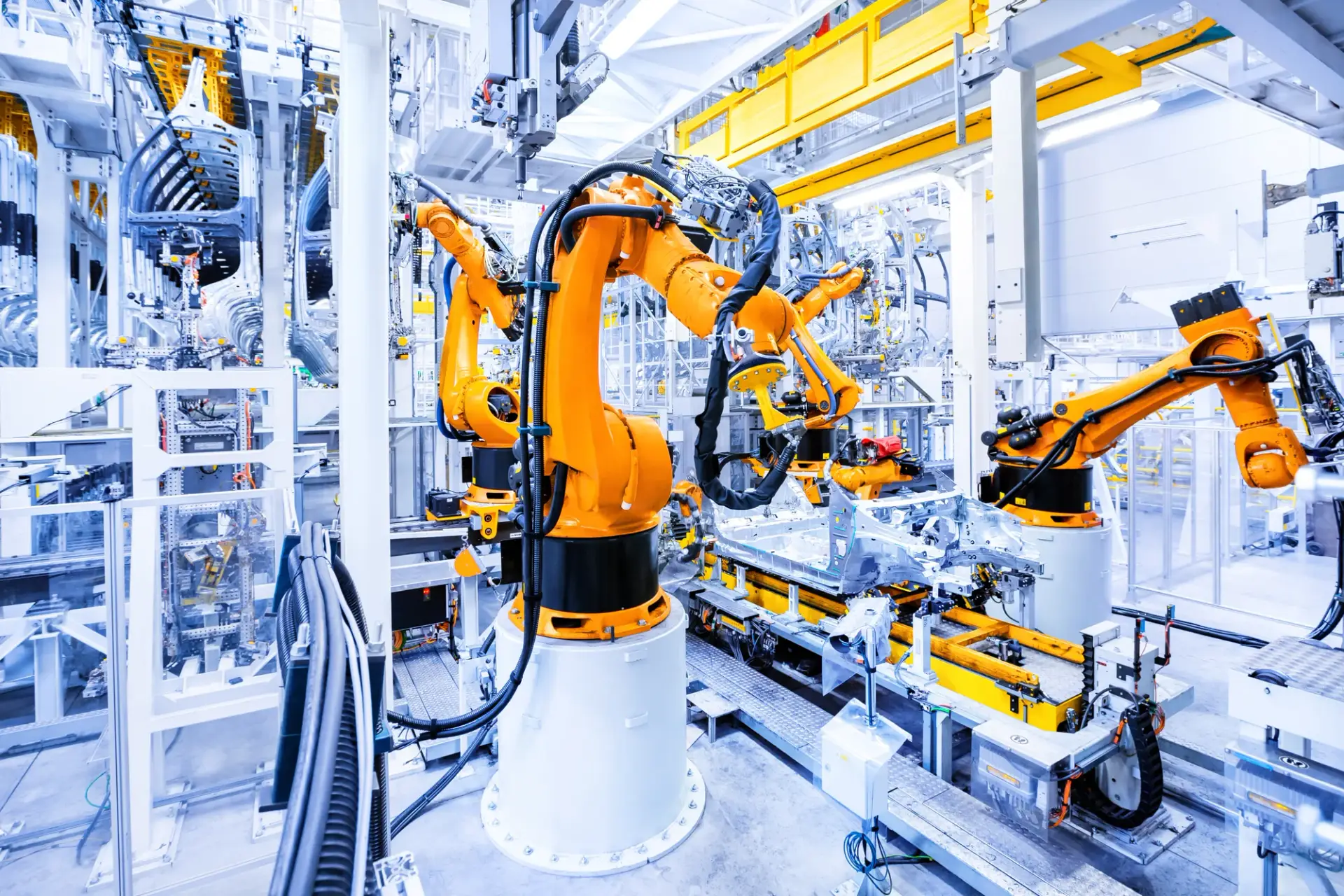
Integration is not the end of engineering.
It is the point at which the system’s real behavior becomes visible.
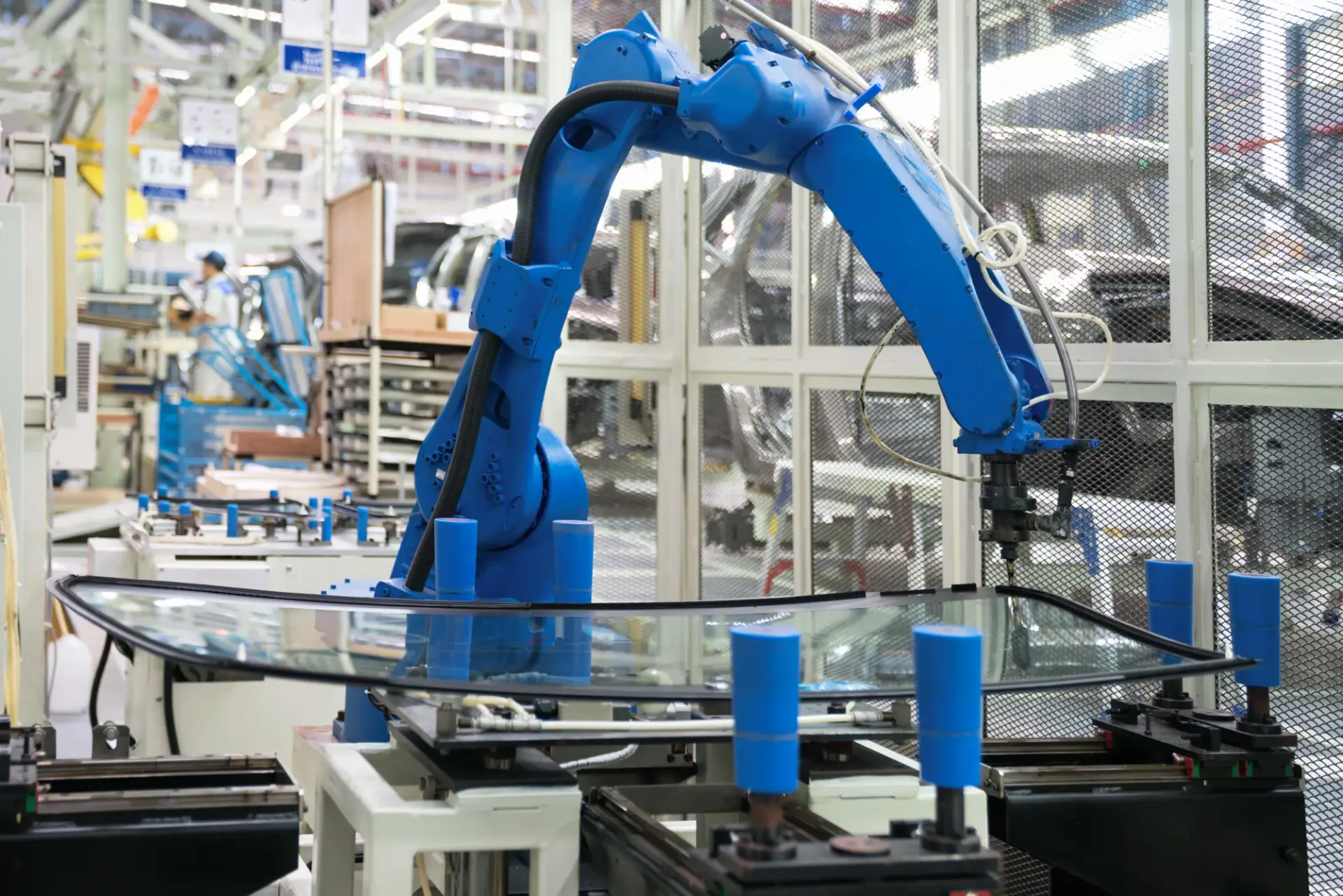
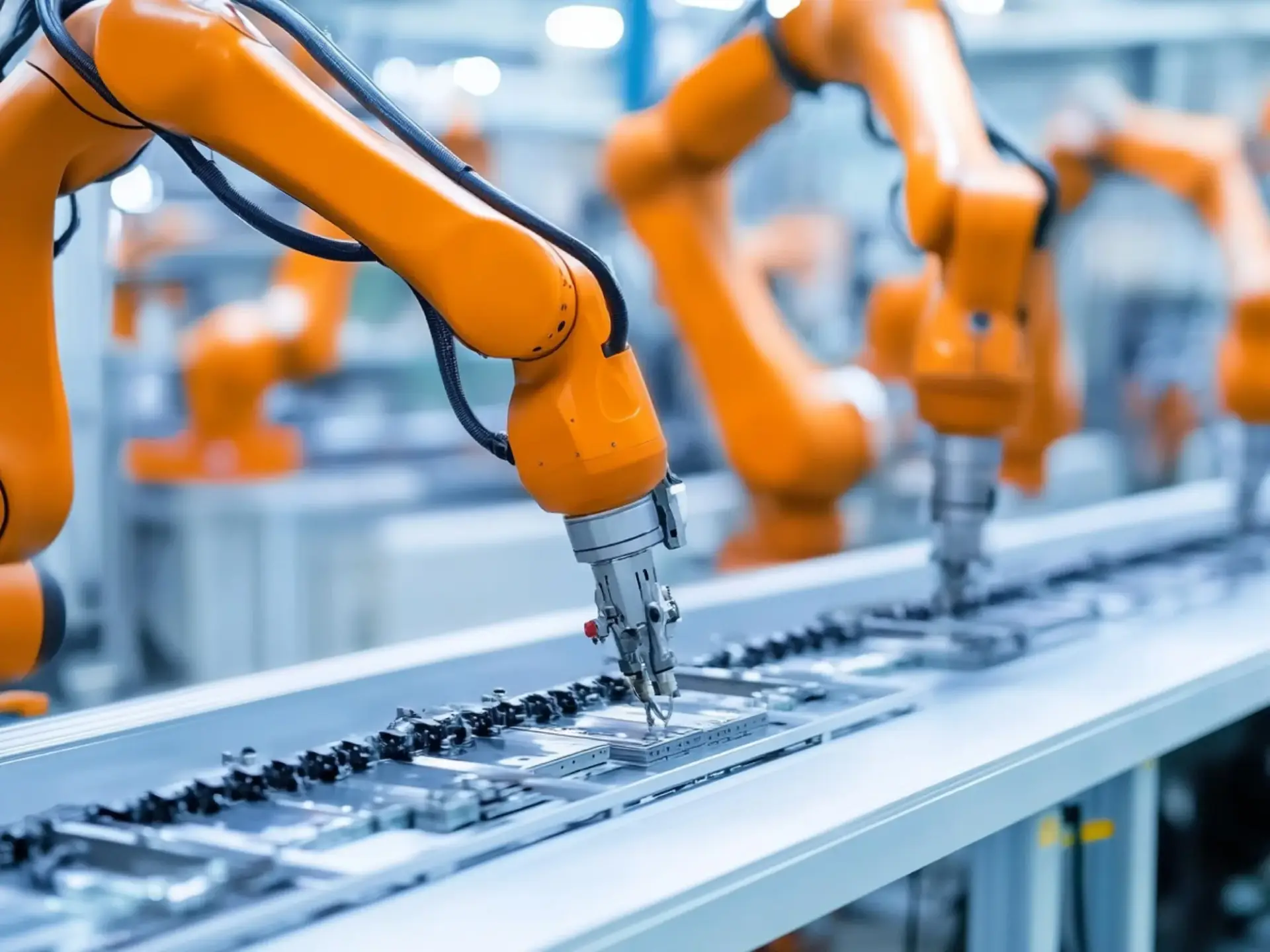
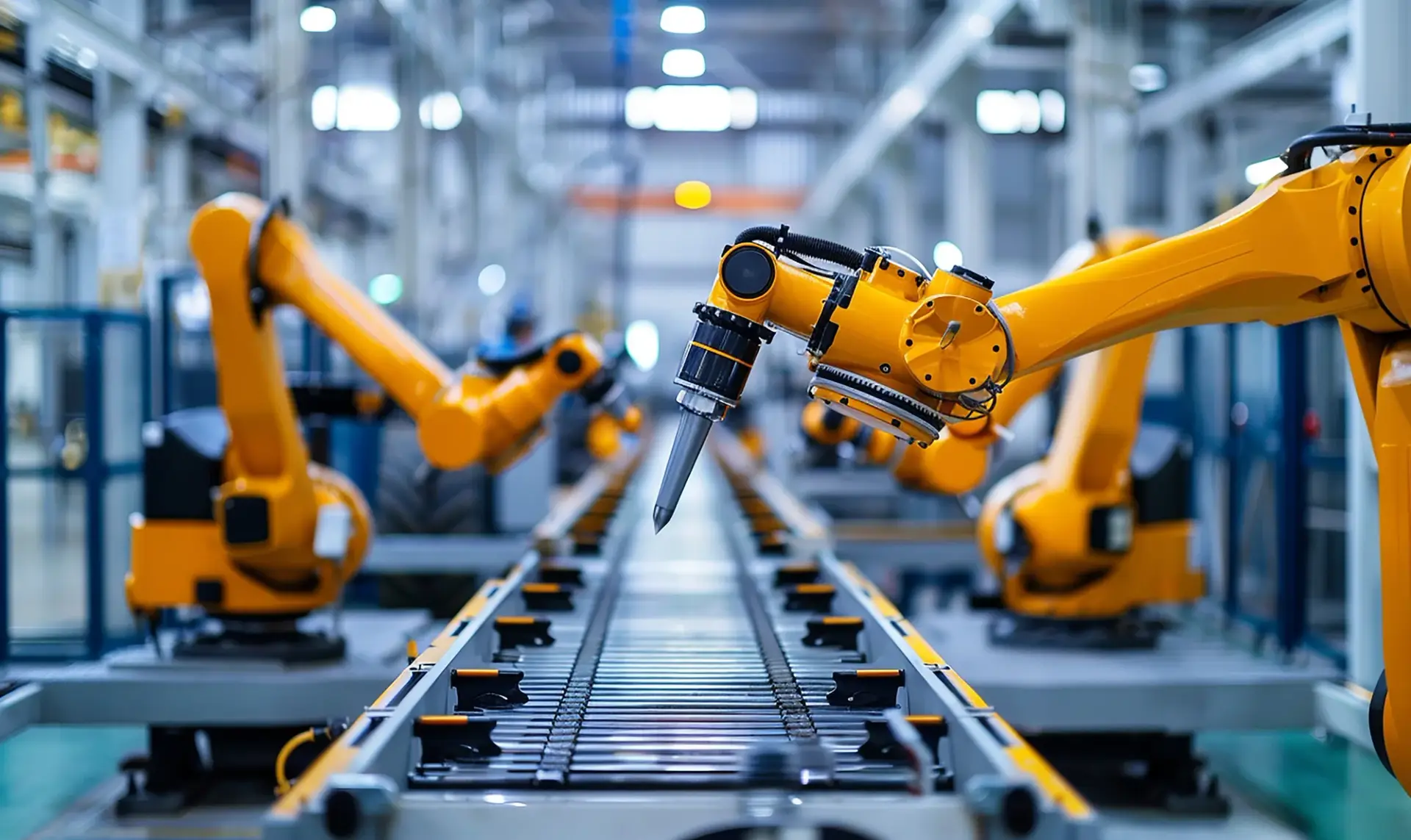
Stability is not merely a technical condition. It becomes a strategic operational capability
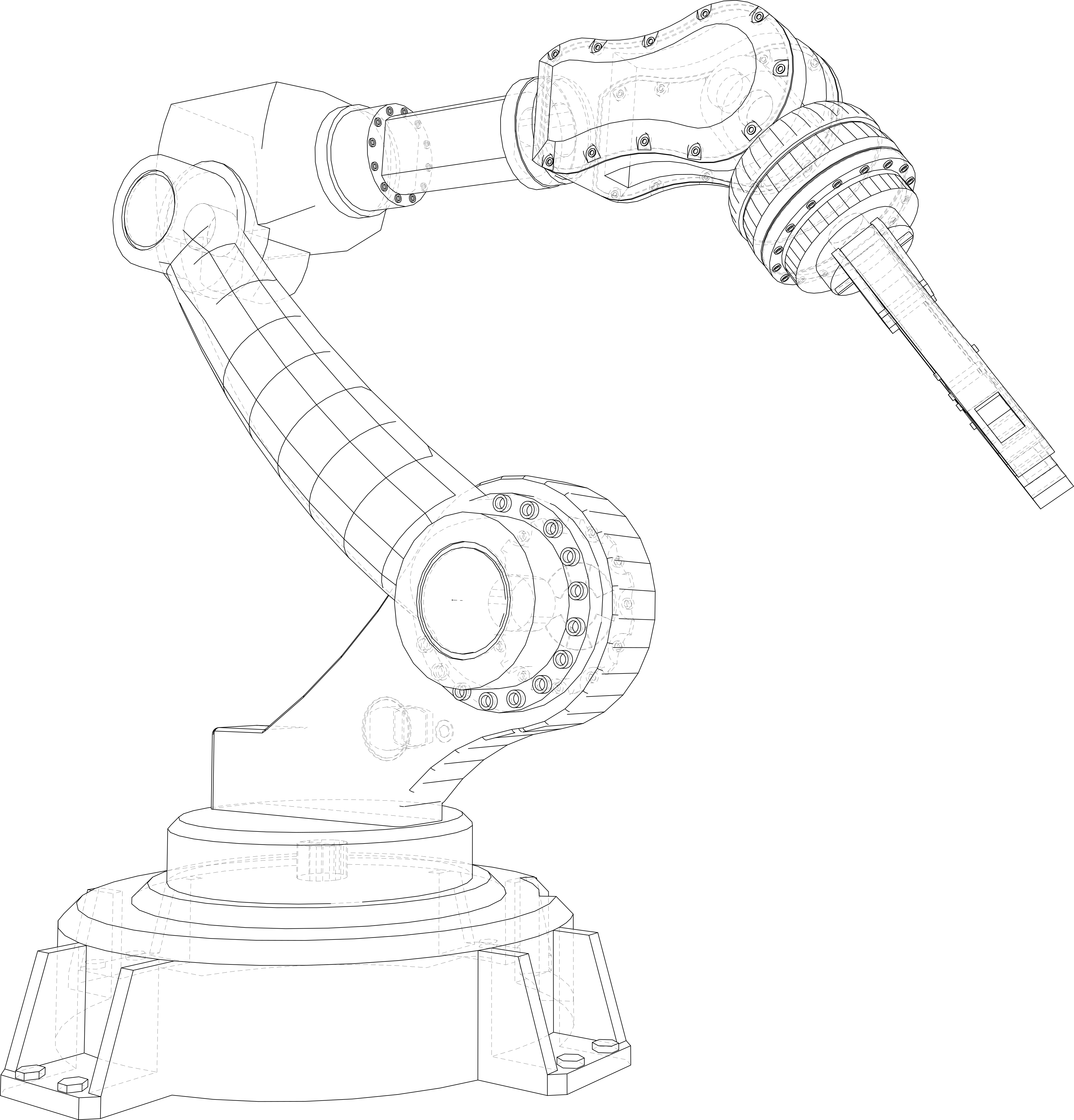
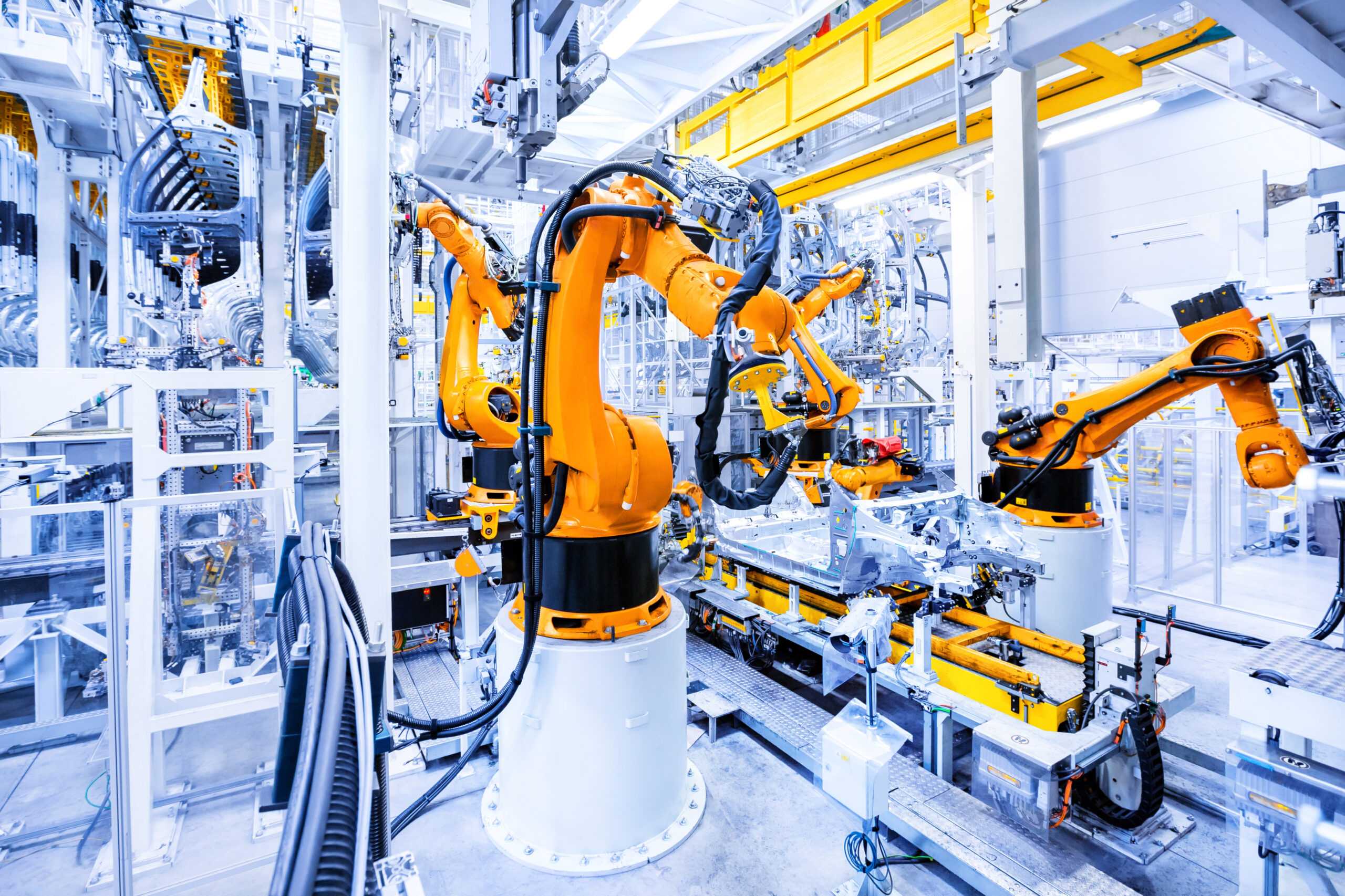
We coordinate industrial processes, reduce variation propagation, stabilize operational flows, and maintain predictable system behavior under dynamic operating conditions.
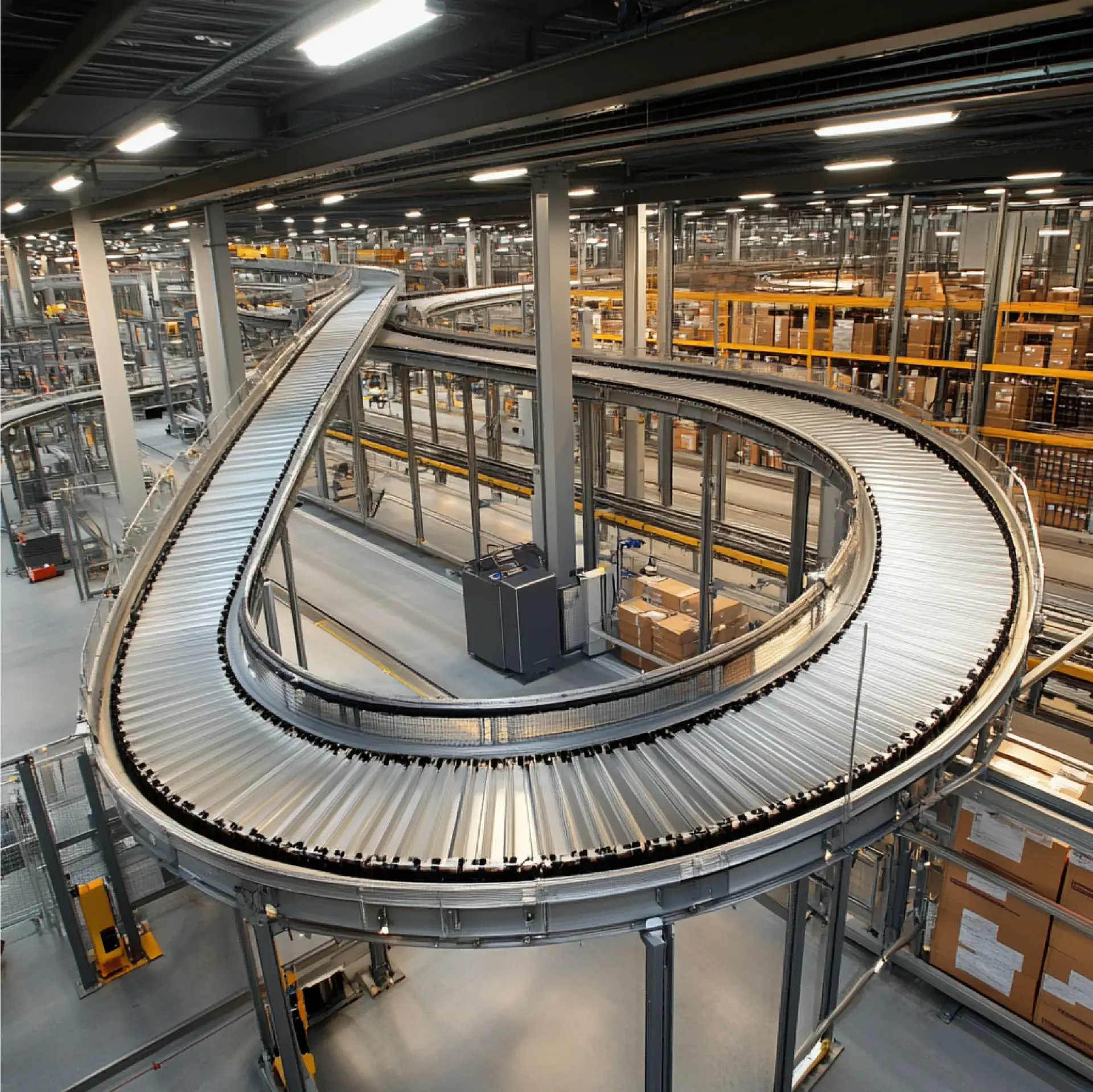
We design coordination mechanisms capable of: reducing congestion, stabilizing flows, controlling interdependencies, and maintaining operational continuity under load variations and dynamic priorities.
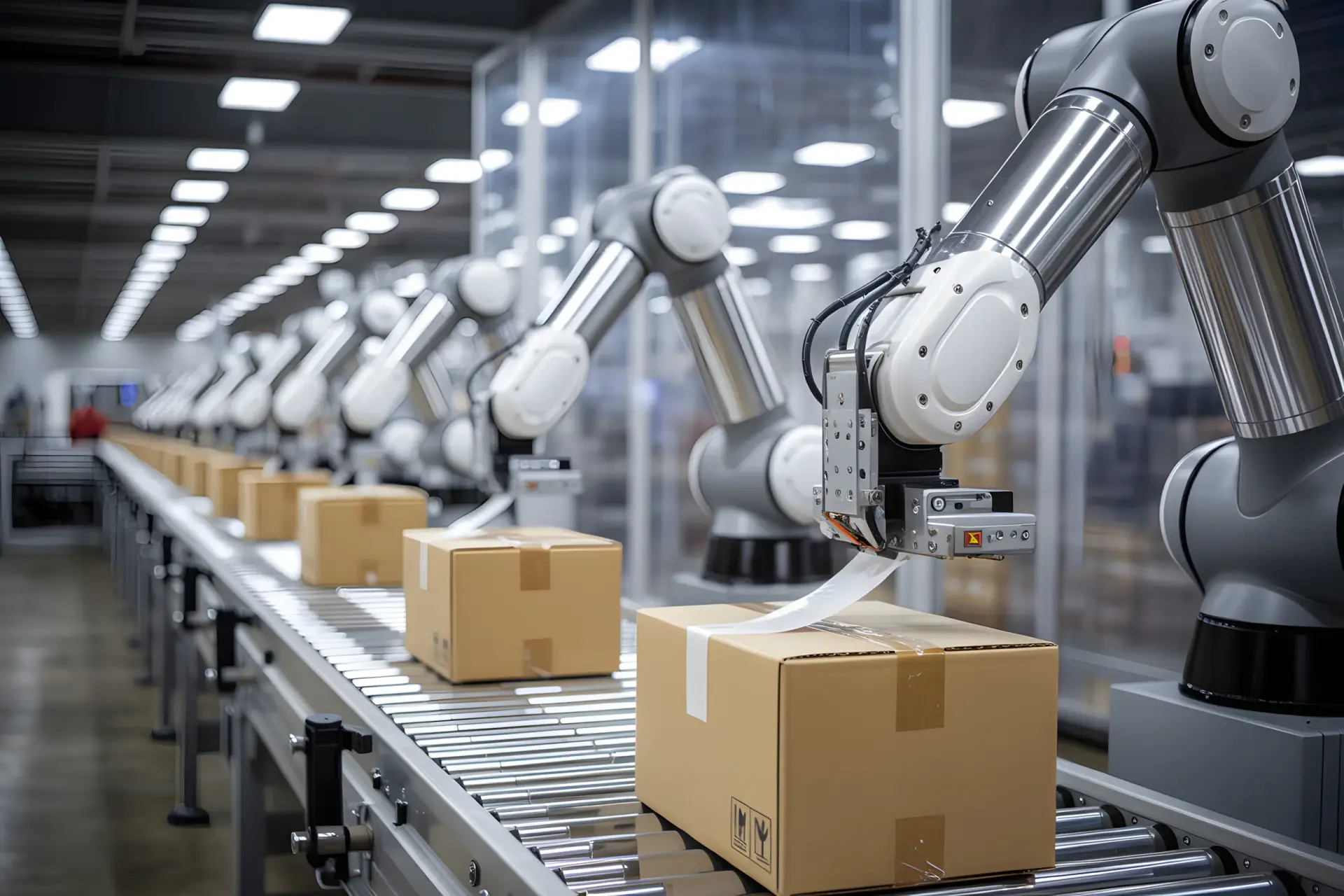
We design coordination mechanisms capable of: controlling the propagation of instability, coordinating relationships between operational nodes, ensuring the continuity of logistics flows, and maintaining operational predictability under variable conditions.
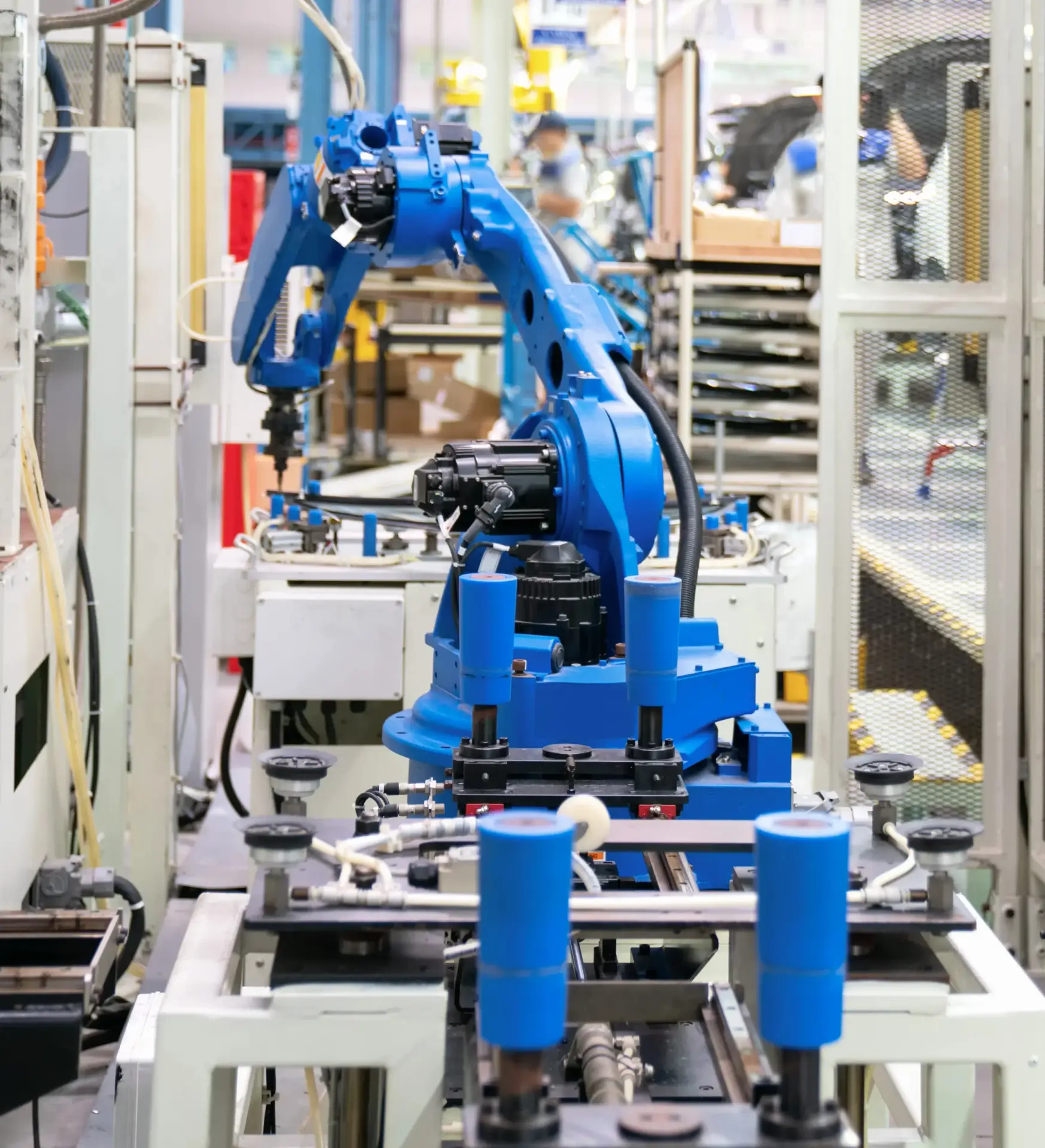
We structure the relationships between: control systems, automated processes, operational flows, distributed infrastructures, and industrial coordination mechanisms.
How we work
Our methodology for engineering stability through variation control

We analyze behavior
We understand how the behavior of each subsystem affects the stability of the overall operational architecture. We analyze:
- Interdependencies between processes
- Variation propagation points
- Destabilization mechanisms
- Operational constraints
- Relationships between subsystems
- Behavioral vulnerabilities
01
We define the system’s stability logic
We engineer stability architecturally rather than reactively. Instead of optimizing individual processes in isolation,
we design for the behavior of the system as a whole:
- Operating boundaries
- Dependency relationships
- Mechanisms for isolating instability
- Coordination rules
- System-level priorities
- Continuity strategies
02

We align processes and subsystems with the stability logic
We restructure the system’s operational logic to ensure coordinated behavior:
- Integrate coordination logic
- Reduce operational conflicts
- Synchronize relationships between processes
- Clarify control mechanisms
- Structure system response behavior under disturbance conditions
03

We verify system behavior under real operating conditions
We validate not only component-level functionality, but also:
- Overall system behavior
- Response to variation
- Continuity under disturbance
- Propagation of effects
- Robustness of system coordination
- Ability to maintain defined operational objectives
04
Our projects
Simple on the outside. Highly intelligent on the inside.




 Talk to an engineer
Build stable systems
under variable conditions
